
Collection Facts
Historical Context
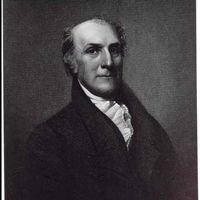
Located at the State University of New York at New Paltz, The Dorsky Museum comprises more than 9,000 square feet of exhibition space distributed over six galleries. The Dorsky Museum's permanent collection comprises more than 5,500 works of art from around the world and spans over a 4,000 year time period. Through its collections, exhibitions, and public programs, The Samuel Dorsky Museum of Art supports and enriches the academic programs at the university, presents a broad range of national and international art for study and enjoyment, and serves as a center for the arts and culture of the Hudson Valley.
Scope of Collection
This collection includes a variety of artwork from the museum's collection, including paintings, photographs, collages, and metalwork.
Address:
SUNY New Paltz
1 Hawk Drive
New Paltz, NY 12561
Phone: 845-257-3855
Browse within this collection
Browse similar collections

Collection Facts
Historical Context
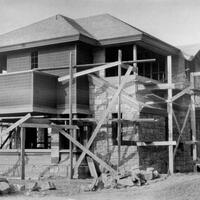
Photographer Sally Savage is best known in Rockland County for her photo-journalism, documenting just about every aspect of life and change in the county since the late 1960s. In 2001 Savage was awarded the Rockland County Executive Arts Award: Visual Artist, and her work has twice been selected by the Rockland County Art in Public Places program. She trained at London's School of Printing and Graphic Arts in England.
Scope of Collection
This collection includes photographs taken by Sally Savage, primarily of Nyack and surrounding areas. The collection contains images of architecture, local events, and landscapes.
Browse within this collection
Browse similar collections

Collection Facts
Historical Context
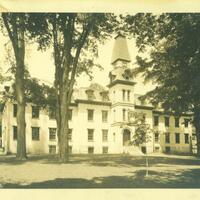
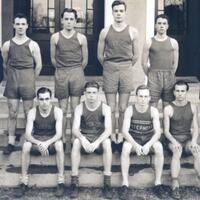
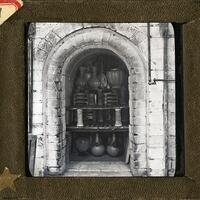
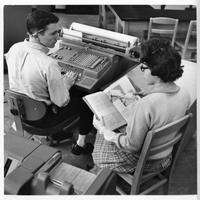
Mattydale is a hamlet of Salina, New York, a Northern Syracuse suburb. The Mattydale School was located on East Molloy Road. In 1963, it became known as the Bessie B. Riordan Elementary School and merged with the North Syracuse School District.
Scope of Collection
The collection contains yearbooks and programs produced by Mattydale School from the late 1930s to 1940s.
Browse within this collection
Browse similar collections


Collection Facts
Historical Context
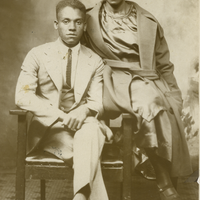
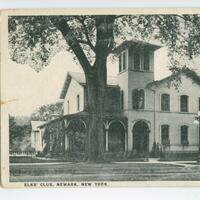
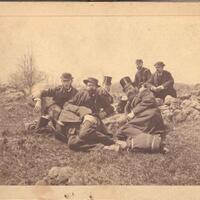
The Sag Harbor photograph collection resides at the John Jermain Memorial Library on the East End of Long Island, New York.
Scope of Collection
Photographs of Sag Harbor, New York residents and businesses. Includes street scenes, waterfront activities, homes and community events from the nineteenth and twentieth centuries.
Browse within this collection
Browse similar collections

Collection Facts
Historical Context
Fort Ontario in Oswego was originally built by the English during the French and Indian War; it served as various military posts for over a century. During World War II, Fort Ontario became known as the Fort Ontario Emergency Refugee Shelter, also known as "Safe Haven," a home to almost 1,000 Jewish refugees escaping persecution from Nazism in war-torn Europe. It was the only government-funded shelter for Jewish refugees in the United States. The shelter was established by a directive from President Franklin D. Roosevelt. After the war, there were concerns about allowing the refugees citizenship. They were ultimately granted citizenship and allowed to leave the camp in 1946.
Scope of Collection
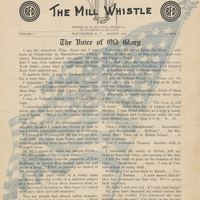
Photographs and documents relating to the Fort Ontario Emergency Refugee Shelter or Safe Haven. Documents include camp newsletters and articles about the Refugee Shelter. The newsletters describe the events and daily life at the camp. Photographs depict the refugees at the camp, many are of children.
Browse within this collection
Browse similar collections

Collection Facts
Historical Context
The Great Sacandaga Lake, created between 1920 and 1930, is located in the Adirondack area. With the creation of the Great Sacandaga Lake, came the dislocation of communities, cemeteries, and highways. One community affected was Sacandaga Park, known as the Coney Island of the North (c.1880 – 1930). This hamlet, accessible by railroad service, had many hotels, cottages, a golf course, amusement area, sport events, theatre, and general outdoor activities.
Scope of Collection
This collection contains a selection of postcards depicting various sites around Sacandaga Park.
Browse within this collection
Additional Information
This collection contains a larger selection of postcards than what is shown in the digital collection.
Browse similar collections

Collection Facts
Historical Context
Ruth Holroyd is a weaver who was taught by the best instructors. She taught and lectured in the U.S. and worldwide. She succeeded Mary Snyder in her teaching position at the Chautauqua Institute, wrote many articles for the leading weaving magazines and is the author of serval books. Since 1990, she has offered her technical assistance in the documentation of the Handweaving Museum’s collection of woven materials and has taken it upon herself to document the extensive collection of Mary Snyder. As a dedicated member of the Museum’s Collection Committee, she has been most deeply involved since the Museum’s founding.
Scope of Collection
This collection consists of images of weaving fragments, which serve as examples of various weaving patterns and techniques.
Browse similar collections

Collection Facts
Scope of Collection
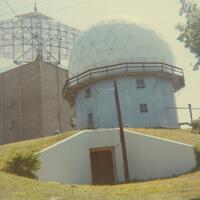
This collection features postcards depicting highlights of Russell, NY.
Browse within this collection
Browse similar collections


Collection Facts
Historical Context
John Henry Rushton was a renowned Adirondack boat builder who specialized in constructing lightweight watercraft for navigating the region’s many waterways and being carried across portages easily.
Scope of Collection
This collection contains photographs, postcards, advertisements, and artifacts pertaining to Adirondack boatbuilder John Henry Rushton. Included in this collection are portraits of the Rushton family, as well as Rushton’s friends and supporters, as well as group pictures of the American Canoe Association. Also included are numerous images of Rushton’s boats, of various types, being piloted by both himself and others, as well as a few images showing their construction.
Browse within this collection
Browse similar collections

Collection Facts
Historical Context
The Roosevelt Wild Life Station was established by an act of the New York State Legislature in 1919 to memorialize Theodore Roosevelt as a wildlife conservationist. The Station was established at the College of Forestry at Syracuse University (now SUNY College of Environmental Science and Forestry) through the efforts of Dr. Charles C. Adams, who was a professor of forest zoology at the College and went on to become Director of the New York State Museum in Albany. The scientific information gleaned from the RWLS helped wild animals become recognized as a natural resource in need of management. The RWLS was one of the earliest institutions of its kind, documenting the local ecosystems and its inhabitants. It is still in use today, focusing on the changing environment and its impact on the wildlife of the Northeastern United States.
Scope of Collection
The collection includes over 1,600 black and white photographs of nature scenes, landscapes, and wildlife dating from the early 1920s through the early 1930s. The subjects of these photographs include: the Adirondacks, Yellowstone National Park, North American wildlife. Items in the Roosevelt Wild Life Station (RWLS) Image Collection were produced by RWLS staff and researchers. Many of the photographs were used in the Station’s publications of Annals and Bulletins.
Browse within this collection
Additional Information
The Terrence J. Hoverter College Archives at SUNY ESF houses over 12,000 photographs and corresponding negatives from the Roosevelt Wild Life Station.