Collections
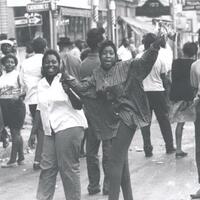
This collection of images documents Rochester’s 1964 race riots, offering a vivid and revealing glimpse into Rochester’s, and the nation’s, past.
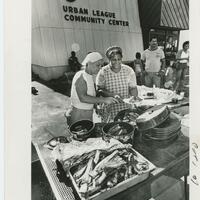
Images of African Americans in Broome County, including photographs of the activities of CORE, the Congress of Racial Equality.
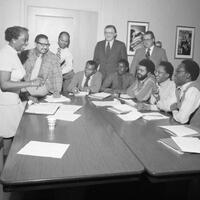
The collection explores the role of African Americans in the General Electric workforce.
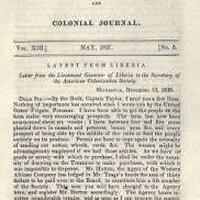
A collection of the African Repository and Colonial Journal which was published in 1837 by the American Colonization Society.
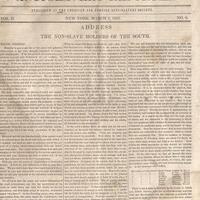
An 1843 publication by the American and Foreign Anti-Slavery Society relating to the abolishment of slavery.
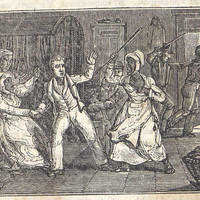
Selected issues of the abolitionist newspaper, The Anti-Slavery Record, published in 1836.
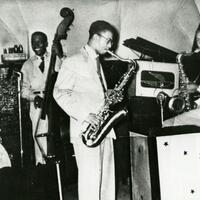
Photographs of an African American community in Syracuse, New York that were collected as part of a photo-documentation project.
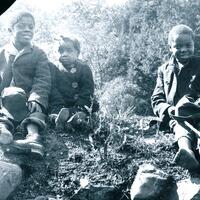
Photographs and ephemera highlighting Black history in Columbia County.
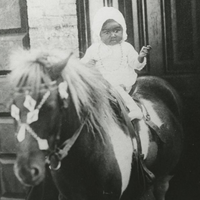
Materials curated by Black Legacy Association of Columbia County (BLACC) to showcase the contributions made by the Black community to Columbia County from slavery to the present time.
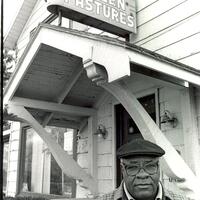
This collection contains oral histories of members of Chemung County’s Black community, as well as whites involved in the Civil Rights movement.
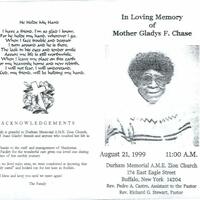
The purpose of the collection is to preserve the biographical and historical information that is found in printed funeral programs from the African-American community.

Captain Charles Price was a graduate of James Madison High School and a member of the 332nd Fighter Group (the Tuskegee Airmen) before becoming the first African-American police officer in Rochester. He served on the force for 38 years, from 1947 to 1985.
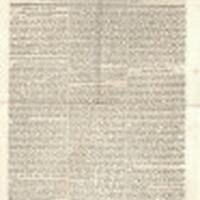
Selected issues of the Christian Investigator, an anti-slavery publication, created by abolitionist William Goodell in the mid-19th century.
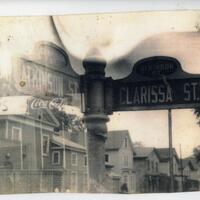
Photographs and ephemera taken from display boards used at the annual Clarissa Street Reunion.
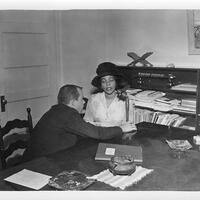
These photographs and letters detail Coretta Scott King’s visit to Keuka College in June 1970.
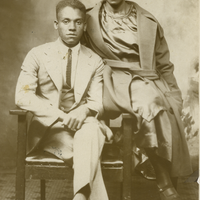
The Dinkle family lived for multiple generations in the Third Ward, possibly best known for their deep involvement with the Boy Scouts.
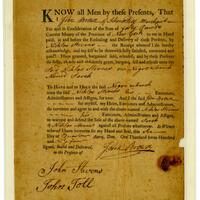
The collection is composed of 18th and 19th century documents that mention enslaved and formerly enslaved people in Schenectady County. Some materials in this collection may contain offensive language or imagery.
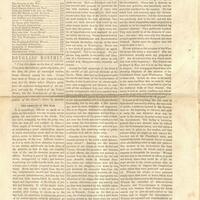
The Douglass' Monthly is a newspaper created by Frederick Douglass, following the success of his earlier weekly publications. The newspaper relates to the abolitionist movement as well as other social reform topics.
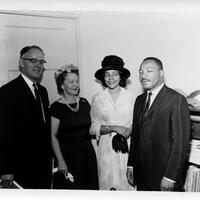
These photographs and letters detail Dr. Martin Luther King, Jr.’s visit to Keuka College in June 1963.
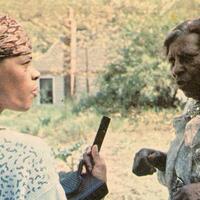
Oral histories of Native and African American community elders from the 1980s
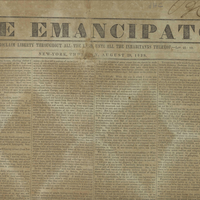
Selected issues of the abolitionist newspaper, The Emancipator, from 1838 through 1839.
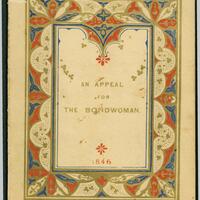
Items from the personal papers and library of abolitionist, suffragist, and peace activist Emily Howland, including her collection of political pamphlets, posters, and program documents.
A collection of the mid-19th century anti-slavery newspaper, the Frederick Douglass' Paper, a successor to Douglass’ first abolitionist paper, The North Star.
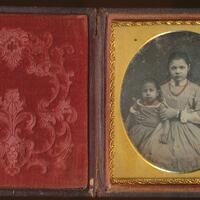
Documents and artifacts related to enslaved people and African American servants at Cherry Hill, a historic house located on South Pearl Street in Albany, New York, United States.
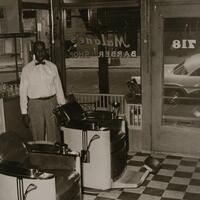
Photographs and documents from the mid-1800s to early-1900s, relating to African American life and history in Central New York.