Buffalo, NY 14211
Phone: (716) 896-5200
Kathy Leacock - 716 896 5200 x376 - [email protected]
Buffalo Museum of Science
About
The Buffalo Museum of Science, through collections, research, education and interpretation, provides opportunities for all people to develop a scientific understanding of the natural and cultural world with an emphasis on the Greater Niagara Region. The Museum challenges everyone to use their knowledge of science to enhance respect for each other and the environment. The Museum's Research Library holdings reflect the areas of the Museum's research including: anthropology, archaeology, astronomy, botany, geology, invertebrate zoology, museology, mycology, paleontology, and vertebrate zoology. The Museum receives over 400 journal titles each year and the collection covers the topics listed above, as well as science education, other museums' publications, and local and affiliated scientific society publications.
Buffalo Museum of Science is a member of the Western New York Library Resources Council.
Collections
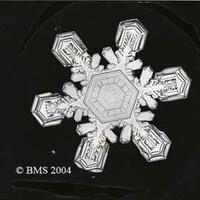
Snow crystal images and their associated documentation taken by Wilson A. Bentley in the late 19th and early 20th century.
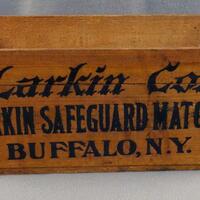
Charles Rand Penney was a prominent collector. The Charles Rand Penney Trail unites his collections of Pan-American Exposition souvenirs, Papua New Guinea artifacts, Niagara County historical items, Larkin Company ephemera, and Niagara Falls artwork.
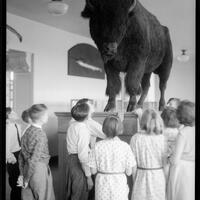
Collection of nitrate and acetate film images from the Buffalo Museum of Science collection
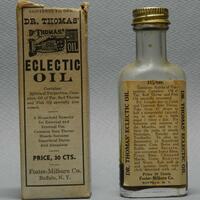
A collection of advertisements, packaging, and other materials relating to the snake oil and patent medicine trade in the late 19th and early 20th centuries.
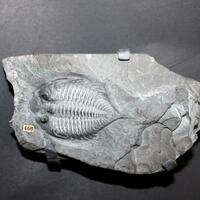
The ground beneath our feet in western New York is ancient, some layers having formed over 440 million years ago. Each layer from the Queenston Formation (440 Mya) in the Niagara Gorge to the Olean Formation (295 Mya) along the Southern Tier has recorded the history of changing marine environments, preserved strange creatures, and bears witness to the uplift and formation of mountains and several mass extinctions.

Buffalo, NY 14216
Phone: 716.873.9644
716-873-9644 ext. 305 - [email protected]
Buffalo History Museum
About
The Buffalo History Museum, founded in 1862, is located in the northwest corner of Delaware Park. Major collections among the 80,000-plus items in our care include Pan-American Exposition artifacts and records, the Red Jacket Peace Medal, the Pierce Motorette (a pioneering motor vehicle), and prototype pacemakers. Sketches and paintings chronicle two centuries of growth of the city of Buffalo and surrounding land, and portraiture ranges from Peter Porter, one time Secretary of War, to Presidents Grover Cleveland and Millard Fillmore.
The Buffalo History Museum is a private not-for-profit organization tax-exempt under Sec. 501(c)(3) of the Internal Revenue Code. We receive operating support from the County of Erie, the City of Buffalo, New York State Council on the Arts with the support of Governor Kathy Hochul and the New York State Legislature, and from donors, members and friends. The Buffalo History Museum is accredited by the American Alliance of Museums.
Buffalo History Museum is a member of the Western New York Library Resources Council.
Collections
Buffalo address books and family directories from the late 19th and early 20th centuries.
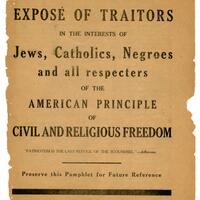
A directory of Buffalo Ku Klux Klan members from the mid-1920s.
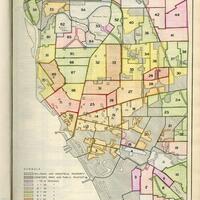
Maps selected from the 1935 Buffalo Municipal Housing Authority Report.
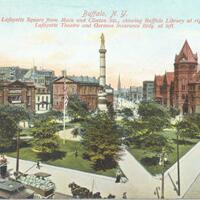
Charles Rand Penney was a prominent collector. The Charles Rand Penney Trail unites his collections of Pan-American Exposition souvenirs, Papua New Guinea artifacts, Niagara County historical items, Larkin Company ephemera, and Niagara Falls artwork.
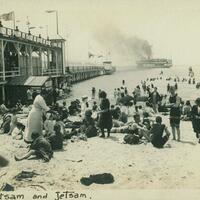
Photographs and ephemera relating to Crystal Beach during the late 19th and early 20th centuries.
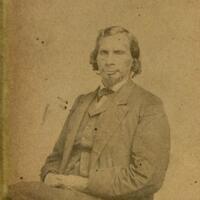
Personal papers of Maris B. Pierce, a Seneca Indian and graduate of Dartmouth College who went on to be an interpreter and recording secretary for Seneca delegations to Albany and Washington, D.C.

Buffalo Broadcasters Association
About
The Buffalo Broadcasters Association (BBA) was founded in 1995 by a group of veteran Western New York broadcasters. Its mission is to preserve Buffalo’s broadcasting history and honor those who have contributed to its success. In addition, the Association has developed programs to support, guide and encourage new generations of broadcasters. It is a 501c3 non- profit organization.
The BBA is currently in possession of thousands of reels of newsfilm dating back to the 1960s. The film originated from WBEN-TV, now WIVB-TV, the CBS affiliate in Buffalo, and from WGR-TV, now WGRZ-TV, the NBC affiliate in Buffalo. The other major commercial station in Buffalo, WKBW-TV, is in possession of its own film archive.
Since the mid-1960s, the film has been stored in many locations, and, at times, was at risk of being discarded because of a lack of storage space. Some of its rescuers were founding members of the BBA, who arranged for donated space. Currently, the BBA is renting climate-controlled warehouse space from the Niagara Frontier Transportation Authority.
At present, WIVB-TV and WKBW-TV have granted the BBA licensing rights to digitize their news film and early ¾ inch video tapes for the purpose of bringing Buffalo’s moving image history back to life. Selected clips have begun being posted on the New York Heritage Digital website, making them available to schools and universities, libraries and museums, and the general public. Their use is for educational purposes only.
It is the BBA’s belief that journalists provide society with its first draft of history. By retrieving Buffalo’s moving image history, the goal is to learn lessons from the past while preserving the region’s rich cultural heritage for generations to come.
Buffalo Broadcasters Association is a member of the Western New York Library Resources Council.
Collections

This is a collection of WIVB-TV archival news clips, stories, and programs primarily spanning a period from the mid-1960s through the early 1990s. The collection is drawn from the station’s news film and 3/4 inch videotape archives. The items chronicle three decades of life in the greater Buffalo region selected by the Buffalo Broadcasters Association based on their interest and historical relevance to Western New York and New York State.

This is a collection of WKBW-TV videotape segments highlighting the last 60 years of television news. The segments are primarily economic, political and featured segments produced by the Buffalo New York television station WKBW-TV since 1958. They document the beginning of television broadcasts, as well as world events with a Buffalo connection, the tumultuous 1960s and 70s up to the present day.

Buffalo, NY 14203
Phone: (716) 858-8900
Fax: (716) 858-6211
Susan Buttaccio - (716) 858-7144 - [email protected]
Buffalo and Erie County Public Library
About
The Buffalo & Erie County Public Library (B&ECPL) serves as a center of information, education, culture and entertainment for the residents of Erie County.
Buffalo and Erie County Public Library is a member of the Western New York Library Resources Council.
Collections
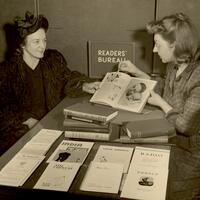
Photographs relating to the history of the Buffalo and Erie County Public Library over the past century.
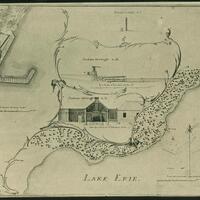
Materials documenting the City of Buffalo and Niagara Frontier in 1825.
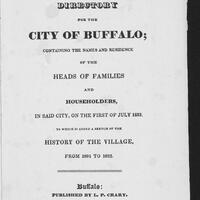
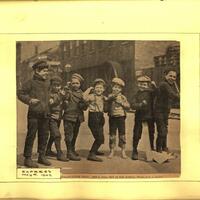
The City of Buffalo, N.Y. rapidly grew from a small village along Lake Erie to a bourgeoning industrial hub with the completion of the Erie Canal in 1825. The city later became a center for the Steel Industry and other manufacturing. New opportunities for work brought with it an influx of new residents to the city, which incorporated in 1832, starting with migrants from New England who claimed and worked the land after it was purchased from the Seneca by the Holland Land Company with the signing of the treaty of Big Tree in 1797. Waves of immigrants from Germany, Ireland, Poland & Italy arrived and settled in enclaves, first near the center of the city and waterfront, and later branching out as business and industry grew. A small community of black residents settled in the city before the US Civil War as well, many thought to have escaped enslavement in the South. As the population increased, churches, businesses, and community organizations developed to support the city’s migrant and immigrant populations, many of whom continued the cultural traditions of their homelands. This exhibit celebrates the diverse people and cultures of early Buffalo and the legacy of migration and immigration to the area.
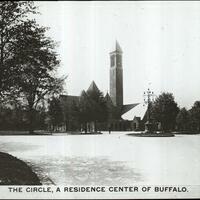
The Buffalo Photograph Collection of lantern slides contains images of cityscapes, street views, events, and architecture in turn-of-the-century Buffalo.
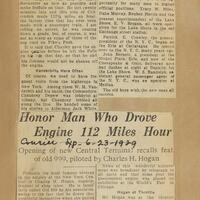
A scrapbook containing newspaper clippings about the Buffalo Central Terminal at the time it first began operations.
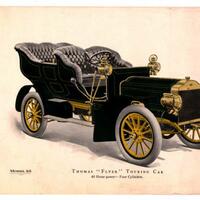
Materials relating to Thomas Flyer automobiles and the New York to Paris Race in the early 20th century.
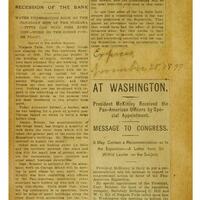
Scrapbooks containing newspaper clippings about the 1901 Pan-American Exposition held in Buffalo, New York.
![The [George Nathan] Newman Collection of Photographs of Vanished and Vanishing Buffalo](/sites/default/files/styles/browse_thumbnail/public/content/collection/covers/VHB004.jpeg?itok=iQTc6n6S)
Photographs of Buffalo and Western New York during the 19th and early 20th centuries collected by George Nathan Newman.
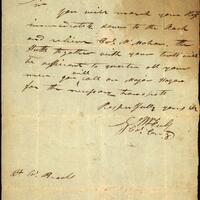
Letters relating to the War of 1812 in New York.

Roslyn, New York 11576-2193
Phone: 516-621-2240
Fax: 516-621-2542
Carol Clarke - [email protected]
Bryant Library
About
On June 18, 1874 noted poet and journalist, William Cullen Bryant, writes in a letter that he is laying a foundation for a Reading Room and Lecture Hall in Roslyn - "for the people have no places to meet in the evening save in the bar rooms."
November 13, 1878 a public meeting was held and a joint stock company formed "for the purpose of forming, continuing and perpetuating a Circulating Library" under the provisions of an 1853(?) NYS Act for the Incorporation of Library Companies. Corporate Name to be: The Bryant Circulating Library Association.
William Cullen Bryant died in 1878 and on January 1, 1879 Julia Bryant (daughter of William C. Bryant) in accord with Bryant's intentions, deeded (for $1.00) the property and building to the Bryant Circulating Library Association. An 1882 book (The History of Queens County by Munsell) reports that the value of Julia's gift was $15,000 and that "The Hall was divided into apartments for library and reading room, a public hall and a residence for the librarian who has care of the building."
November 18, 1925 a Certificate of Registration granted for the Bryant Circulating Library by the Regents of the University of the State of New York. Provisional Charter for incorporation granted for the Bryant Library by the Board of Regents of the University of the State of New York in 1945, and an Absolute Charter granted to the Bryant Library by the Board of Regents on behalf of the Education Department of the State of New York.
1951: Roslyn War Memorial Building (and Valentine House) transferred by the Roslyn Neighborhood Association to the Bryant Library. In March 1952 the Bryant Library moves into its new home in the Roslyn War Memorial Building on East Broadway. In June of 1953 the Bryant Library Local History Collection was established.
November 1968: Valentine House moved across Paper Mill Road to make room for Bryant Library (Memorial Building) expansion. 1998 Valentine House becomes Bryant Library Annex, housing library offices, Roberta Balfus Bookstore and a computer training/meeting room.
Bryant Library is a member of the Long Island Library Resources Council.
Collections
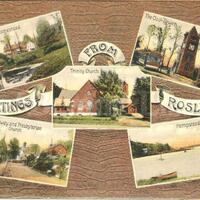

Broome County Public Library
About
The Broome County Public Library opened in October 1904. Originally called the Binghamton Public Library, it was created with a gift of $75,000 from Andrew Carnegie. The building was designed to serve as both a public library and a community center. On the first floor was a collection of 14,000 books and the second floor housed the library's auditorium, the Binghamton Museum of Fine Arts (now part of
Roberson Museum) and the Broome County Historical Society.
Broome County Public Library is a member of the South Central Regional Library Council.
Collections
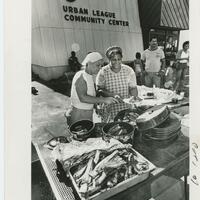
Images of African Americans in Broome County, including photographs of the activities of CORE, the Congress of Racial Equality.
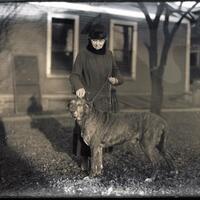
This extensive glass-plate collection contains the work of Franck Taylor Bowers (1875-1932) a Broome County artist and photographer.
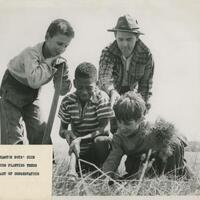
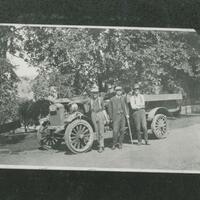
Images from the Broome County Poor Farm located in Dickinson, also referred to as the Broome County Almshouse. It opened in 1833 and closed in the 1960s.
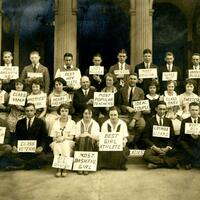
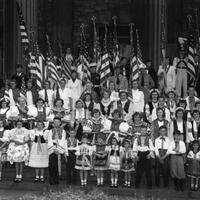
Photographs and ephemera showing the many cultural backgrounds of the greater Binghamton area.
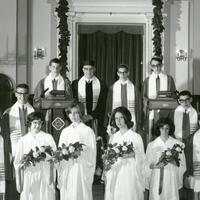
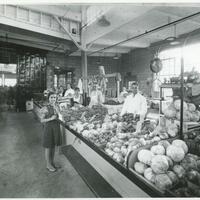

Brentwood , New York 11717-4642
Phone: 631-273-7883
Fax: 631-273-7896
Brentwood Public Library
About
The Brentwood Public Library first opened its doors to the public in 1937 in the cloakroom of the old firehouse located on First Avenue. During the next twenty-four years, the library was housed in a building on First Avenue ( then the Annex of the Brentwood Public Schools' Administration Building) and eventually moved to a small building on the southwest corner of Third Avenue and Fourth Street.
The library was relocated to a new building in 1961 on the corner of Second Avenue and Fourth Street. During the next twenty years, this building was enlarged numerous times. In 1986, the residents of Brentwood approved the construction of a new library building to be located on the same site.
Today's library, dedicated on April 1, 1990, provides the entire community with a modern facility, handicapped accessible, equipped to meet current and future informational and, cultural and recreational needs.
Brentwood Public Library is a member of the Long Island Library Resources Council.
Collections
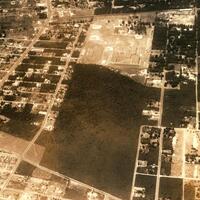
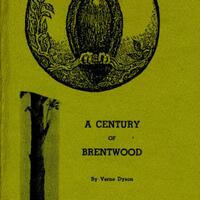
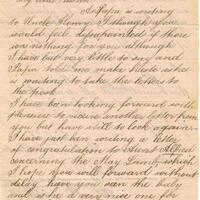
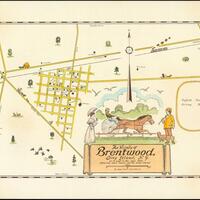
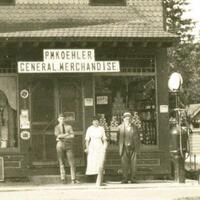
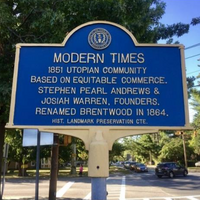
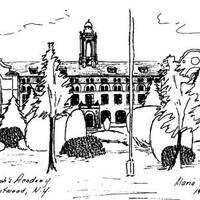
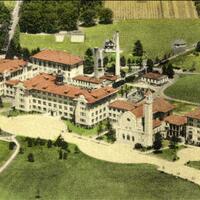
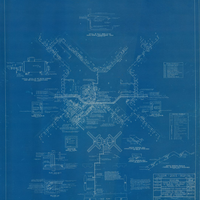
Blueprints used in the construction of Pilgrim State Hospital in the 1930’s.

P.O. Box 6012
Binghamton, New York 13902-6012
Phone: 607-777-4844
Binghamton University - Binghamton University Libraries
About
Binghamton University Libraries are the center of the University's intellectual community, providing a welcoming environment for the creation and management of knowledge through innovative thinking, open inquiry, and collaborative partnerships. To enhance access to our rich and varied collections, we have digitized a wide range of materials including photographs, postcards, and manuscripts from our Libraries' Special Collections, many of which highlight the rich history of New York State.
Binghamton University - Binghamton University Libraries is a member of the South Central Regional Library Council.
Collections
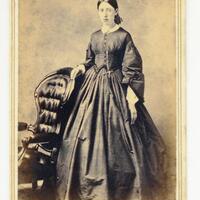
The Anna E. Wilcox Collection of Civil War letters consists of forty-five letters on forty-four separate sheets, eight photographs, four envelopes which could not be matched to any letters, and ancillary materials.
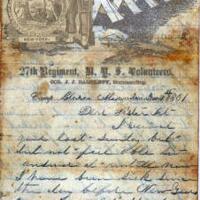
The Francis M. and Henry H. Stone Collection contain twenty-one letters written by the two brothers while they were in the 27th Regiment of the New York Volunteer Infantry and the 1st Regiment New York Veteran Cavalry
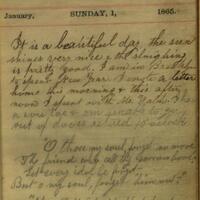
This diary contains entries written by Fred Walster, who was a soldier in 153rd Regiment New York Volunteer Infantry, Company E. The diary spans from January through December 1865 and details his experiences during the war, as well as his civilian life shortly after the war ended.
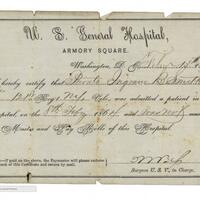
The Ingraham P. Smith Collection consists of forty-five letters and two medical documents, written during the Civil War.
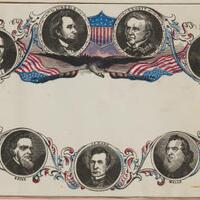
The Joseph H. Treyz Collection contains 149 patriotic envelopes printed during the Civil War.
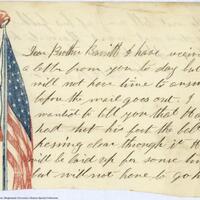
The Lewis H. Brown Collection consists of sixty-four letters written by Lewis Henry Brown, Lewis’ brother Burritt Brown, and Albert Ransom, Burritt Brown’s friend and tent-mate.
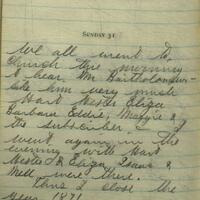
The Maurice Leyden Collection consists of diaries, photographs, correspondence, financial records, essays and military records of Maurice Leyden. The collection also includes twenty-two diaries, dating from 1860-1886 and written Sarah Woodruff Pottle, a relative of Mr. Leyden, as well as, four diaries spanning the years between 1897 and 1908 and belonging to Blanche Leyden, Maurice Leyden's daughter.
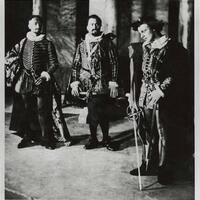
The Max Reinhardt collection covers major aspects of the life and career of Austrian-born theatrical director and producer Max Reinhardt (1873-1943) . Reinhardt was widely recognized as a major creative artist and played a leading role in the transformation of the director as the key figure in theatrical production and the innovative use of new theater technology and experimentation with theater spaces and locales.
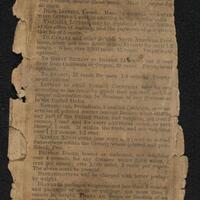
The Patrick Casey Collection consists of an autobiographical narrative and two diaries.
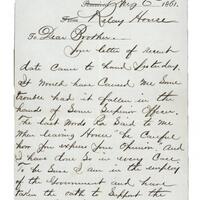
The Ten Eyck Fonda Collection consists of twenty-six letters written by Fonda while serving as a telegrapher for the United States Military Telegraph Service during the Civil War, and one political campaign card.
Big Flats Historical Society and Museum
About
The Big Flats Historical Society elected its first officers in March of 1971. The purpose of the Historical Society is to:
Promote an appreciation of our heritage by developing and understanding Big Flats history in the minds of all its inhabitants;
Relate the present to the past so that Big Flats citizens may more fully realize the changes taking place about them;
Cooperate enthusiastically with other groups and institutions in projects which contribute toward a higher quality community life; and
Collect and preserve information, documents and objects of historical significance.
Big Flats Historical Society and Museum is a member of the South Central Regional Library Council.
Collections
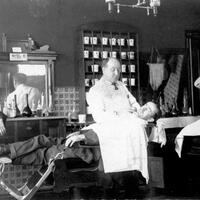
Photographs, postcards, and ephemera relating to the history of Big Flats and Chemung County.
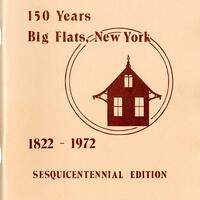
Calendars and publications focused on the history of Big Flats, NY.
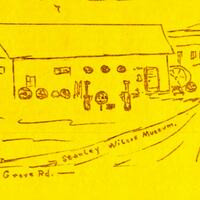
Newsletters of the Big Flats Historical Society in Big Flats, New York.

Bethpage, New York 11714-3197
Phone: 516-931-3907
Fax: 516-932-8639
Lois Lovosolo - [email protected]
Bethpage Public Library
About
In October of 1926 the Central Park Free Library was organized as an Association Library with 41 Members. It was quartered in a small store near the railroad station. The board of directors included: Mr. S.I. Hicks, Mrs. A. Sorenson, Mr. H.G. Holzmacher, Mr. O.B. Briggs and Mr. E.A. Rosenthal. February 17, 1927 the Library was granted a Provisional Charter by the Regents of the University of the State of New York. The book collection numbered 550 volumes.
In 1931 the library became a school district library supported by tax levy. The Library's name was changed to the Central Park Public Library. In 1936 Central Park became Bethpage and in 1942 the Regents amended the Library's charter to read Bethpage Public Library. In autumn, the library moved to larger rented quarters at corner of Broadway and Railroad Ave. In 1961 Gibbons and Heidtmann were selected as architects for a new building to be constructed on site of the Powell Avenue School. July 29, 1963 the new library building opened.
Bethpage Public Library is a member of the Long Island Library Resources Council.