Collections

Niagara County Community College school yearbooks, Sanborn, New York. NCCC's Entricy Yearbooks document student life at the College from 1965 through 1979. The name Entricy, pronounced: N-Tri-C, is a play on the College's nickname of N-Triple-C.

Scrapbooks that celebrate the history of the library and Lawrence.
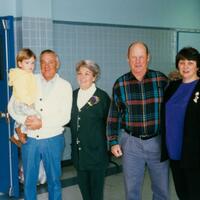
Photographs of special events at Germantown Central School.
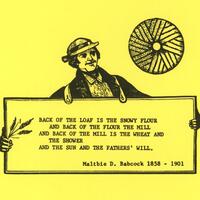
Historical publications of the Water Mill Museum & Ladies Auxiliary of Water Mill
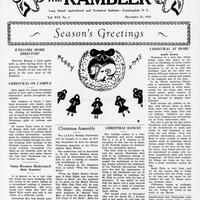
The Rambler Newsletter is published by Farmingdale State College students and contains historical information about the college and alumni.

The Rochester Civic Garden Center has been a trusted source of local horticultural information since its inception in 1945. This collection includes its Bulletins from the years 1945 through 2007.
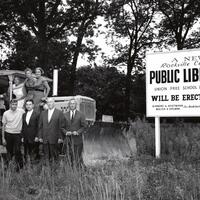
This collection contains videos and photographs sharing the history and events surrounding the Rockville Centre Public Library.
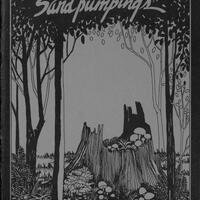
Several issues of Sand Pumpings, a literary magazine published by Olean High School students in the late 20th century.
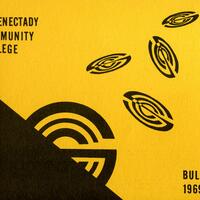
This collection contains material on the history and development of Schenectady County Community College.
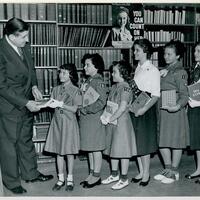
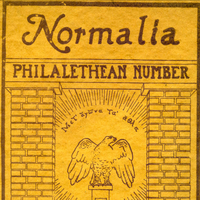
A collection of the student publication, Normalia, published for the Brockport State Normal School in the early 20th century.
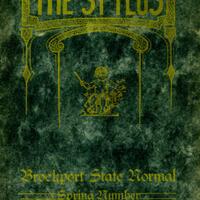
An early 20th century collection of the SUNY Brockport student publication, The Stylus.
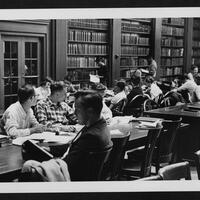
This collection contains photographs and documents relating to noted Buffalo citizen Thomas B. Lockwood and the University at Buffalo Library dedicated to him.
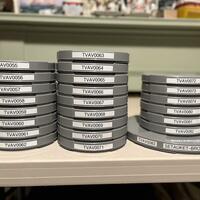
Films and videos of the Three Village area
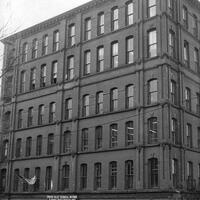
This is a collection of photographs of important people, places, and events; as well as documents that were used by the students and faculty in the beginning years of the college when it was a vocational school for educating returning veterans in automotive technology, machine operation and many

Document images from the archives
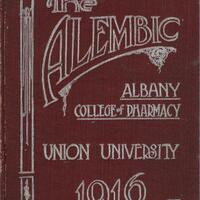
A collection of yearbooks published at the end of the academic year. Starting in the early 1970's, the focus of the yearbook became the graduating class as opposed to the entire student body.