Historically, local Black workers were confined to manual labor or service jobs and were passed over for more skilled positions. Title VII of the Civil Rights Act of 1964 prohibited employment discrimination based on race, sex, color, religion, and national origin. It did not stop discrimination but provided legal recourse to applicants. Community members questioned if enough was done to actively recruit people of color to jobs in education and in city positions.
Educational opportunities have increased, from high school vocational training to college scholarships. Local people of color have pursued advanced degrees in education, health and social services, and engineering, to name a few. While some continue to work in the city, many have left for better jobs.
“There are only a few black-owned businesses in Geneva, a cab company, a restaurant, and a hotel, and we think more are needed.” -Fletcher Simpson (1917-1988), owner with wife Ida of Golden Voice Record Shop, 1970.
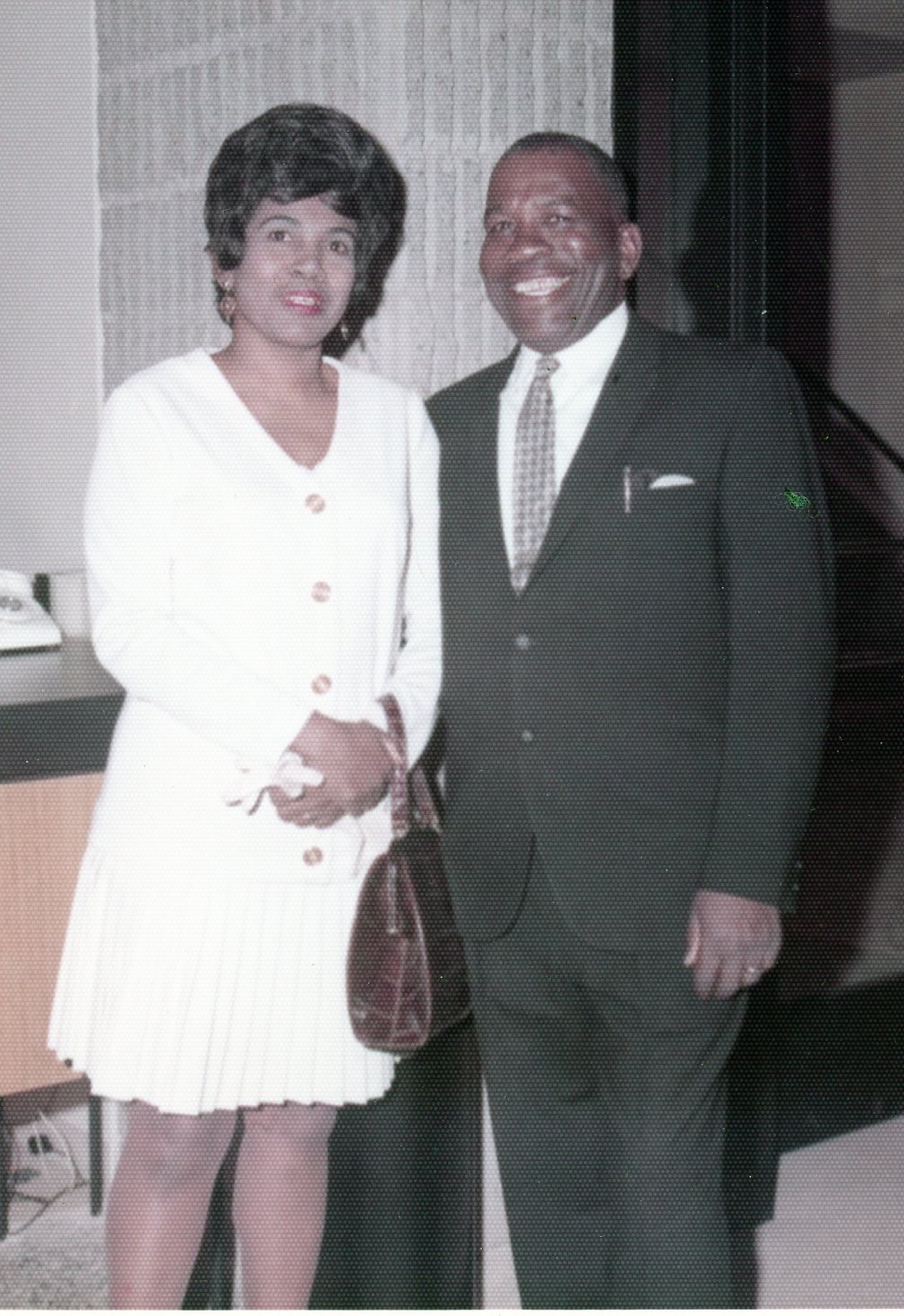
Like many Black workers, Joe Ford (1918-2002) had more than one job. He was a courier for the National Bank of Geneva for years (shown with wife Katie, 1928-2007), and owned Joe’s Cab company. Joe and Katie Ford at an opening reception of the new NBG, 1968.
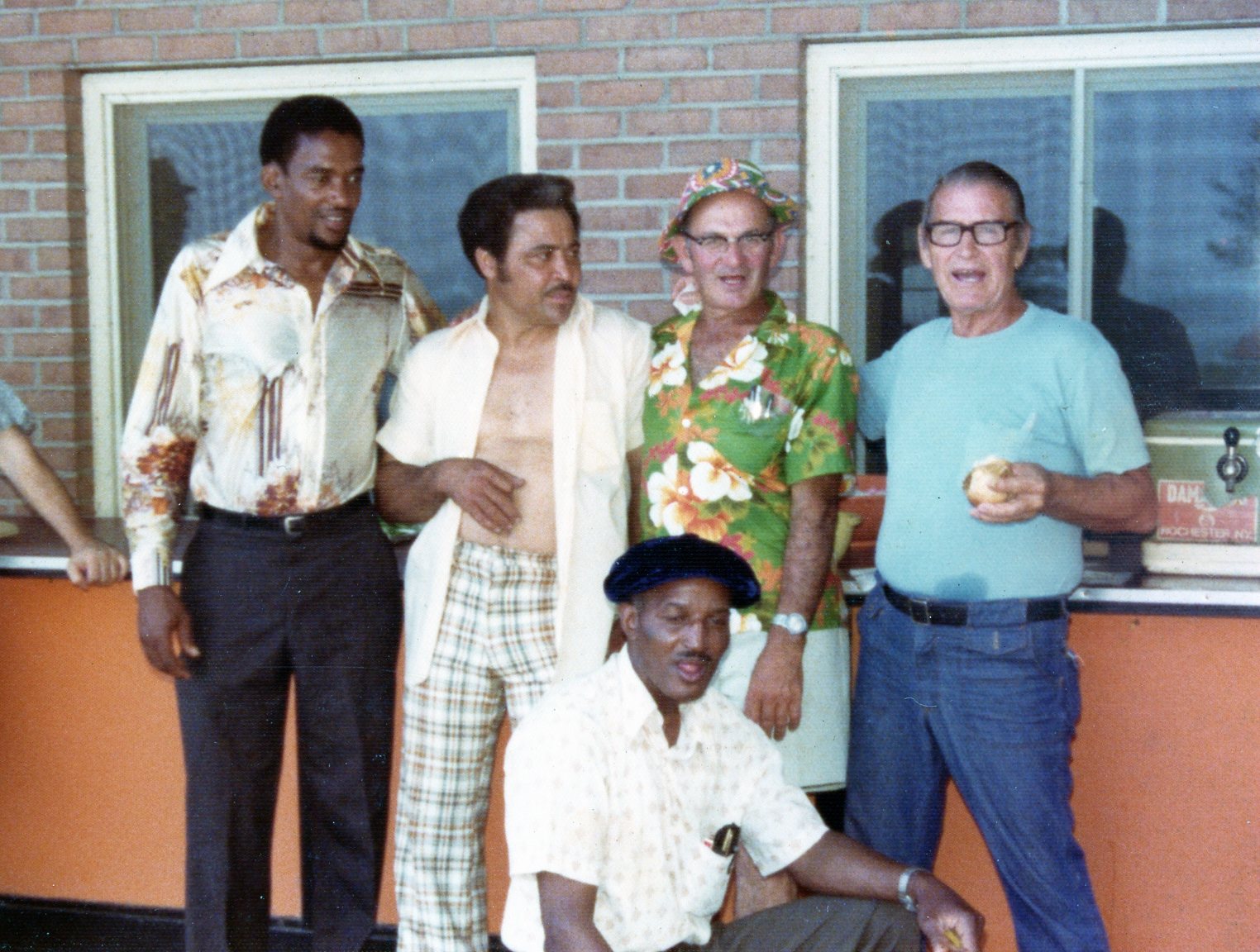
Geneva Foundry hired Black and Puerto Rican workers and promoted them to skilled positions as coremakers and molders.
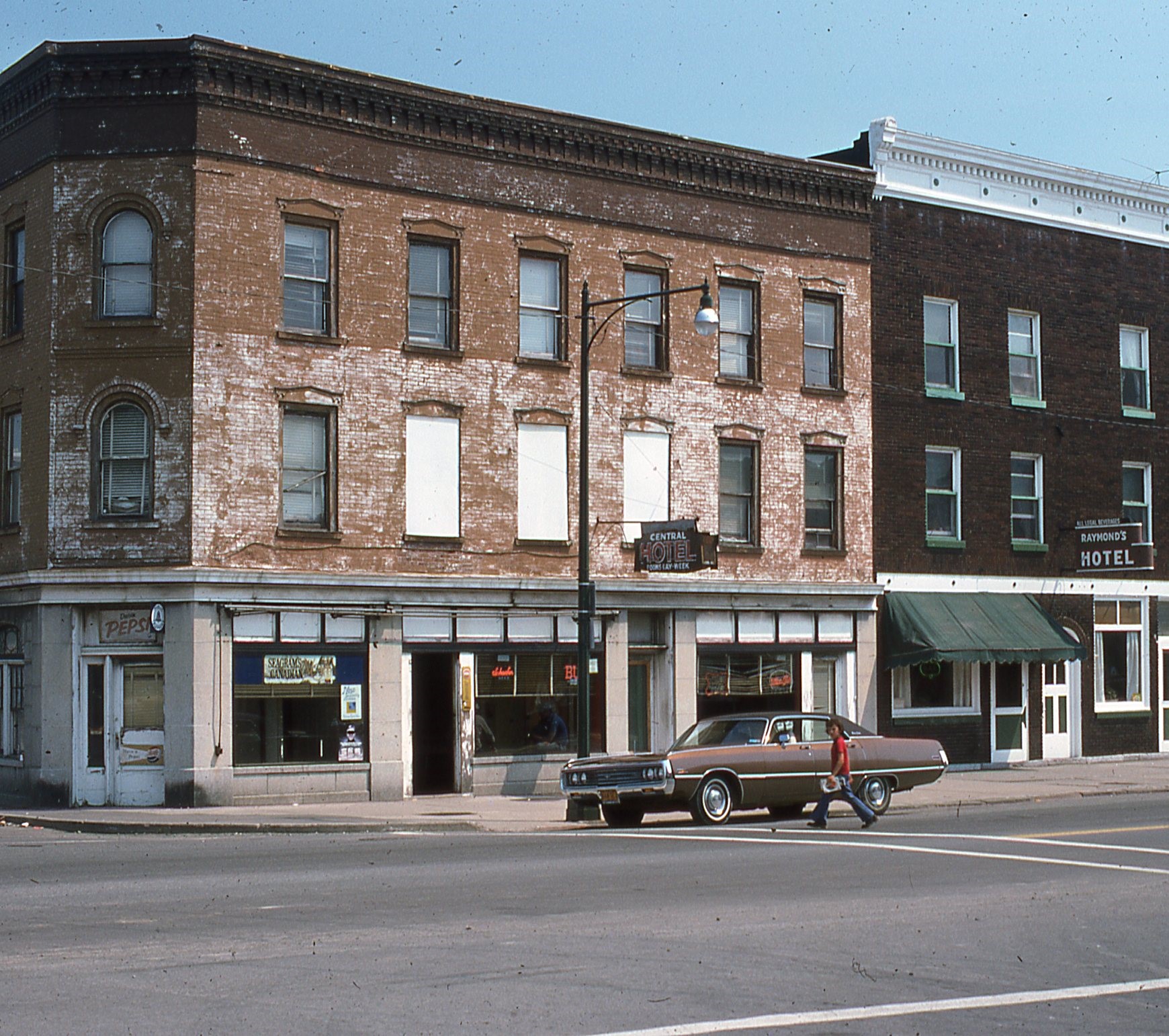
Eugene Linzy (1912-1996) worked as a molder at the Geneva Foundry and owned the Central Hotel at 283 Exchange Street beginning in 1957. The building, seen here in 1976, was torn down in 1990.
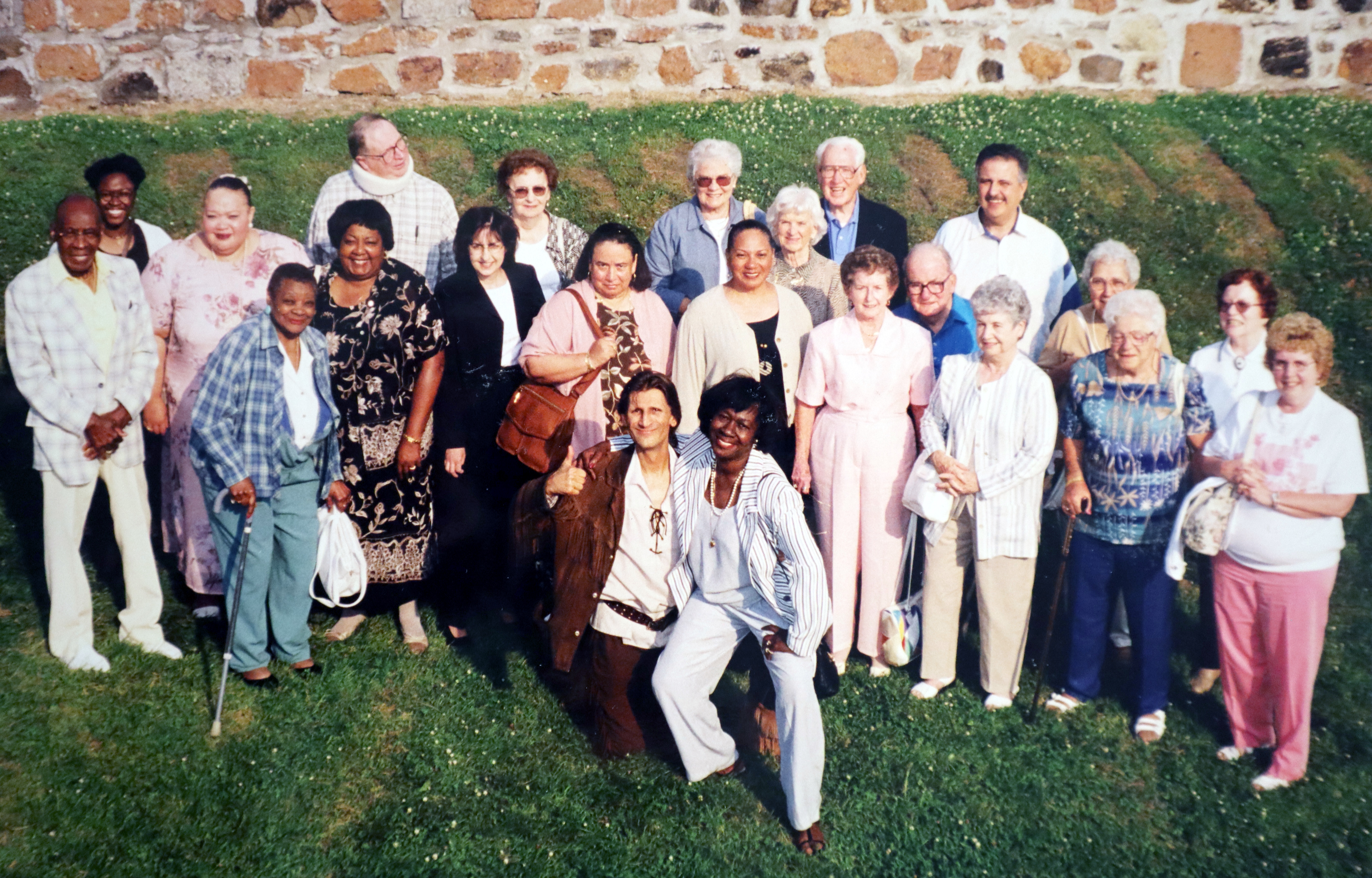
In 1982 Clyde and Mildred Mathis turned their love of travel into a group travel business. Clyde (1913-2010) is at the far left with Mildred (1918-2003), with cane, in front of him. Photo courtesy of the Mathis family.