Buffalo’s West side has traditionally been divided into two parts – the lower West side running from what is now City Hall to Porter Avenue and the upper West Side centered around Grant street and bordered by Black Rock to the North. In the earliest days of the City’s history the area remained rather rural with Fort Porter situated along the Niagara River from the 1830’s until its demolition to make way for the building of the Peace Bridge.
Large properties owned by prominent Buffalonians like Ebenezer Johnson, Buffalo’s first Mayor, were also located in the area. The Cottage, Mayor Johnson’s home, was situated on a large pastoral property and later served as the first home of the school that would later become Buffalo Seminary. The property was partitioned in the 1850’s and redeveloped as a residential neighborhood.
After the Erie Canal was complete in 1825, it meandered along the western edge of the city parallel to the Niagara River as it made its way to the Central Wharf. At this time, the area was largely dedicated to industry and shipping. The 1840’s saw the beginning of residential neighborhoods in the area as Irish Immigrants escaping the potato famine came to inhabit the area among previously established shipyards, tanneries, and breweries.
The Belt Line, a commuter rail line encircling the city connected Buffalo’s neighborhoods heralded the arrival Italian residents, many Sicilians, who created Buffalo’s “Little Italy” by the 1890’s. St. Anthony of Padua was the first Catholic Church built in the neighborhood (1891) where Mass are still read in Italian today.
A prevalent feature of the Italian community in Buffalo was the establishment of Mutual Aid Societies, the roots of which date back to the end of the middle ages in Sicily. Initially, these organizations sprang up in support of various professions, and worked essentially like labor unions. This tradition continued as Sicilians arrived in America, often continuing their allegiance to these societies associated with the town of their birth. Common in Buffalo’s Canal District and on the West Side, these clubs were safe harbors where Sicilians could meet with other emigres from their home town. They also functioned as “health insurance societies.” Every member paid a small amount in dues, and if ill or unable to work were paid a small weekly benefit.
As urban renewal efforts swept over the city in the 1950’s through the 1970’s, many of the original Italian residents in the area moved to North Buffalo, especially as the building of the thruway changed the layout of the area irrevocably. In their stead, a large population of Puerto Rican residents moved in, adding to the cultural diversity of the city.
Hispanic people have been part of the fabric of Western New York since the turn of the 20th Century. The earliest arrivals from Central and South America, Mexico, Spain and the Caribbean came for economic opportunities. A later wave of immigrants came to Buffalo and Lackawanna from the 1930s to the 1960s. Puerto Ricans worked in agricultural fields, factories, rail yards, and steel plants. The Hispanic community, which also includes Dominicans and Cubans, founded cultural societies and charitable organizations, many based in Buffalo’s west side. The Hispanic Heritage History Project: Historica del Proyecto’s, “Bring Us Your History” has collected numerous oral histories and photographs to tell the story of the Hispanic Community in Western New York.
Currently the West Side of Buffalo is seen as one of the most promising and vibrant neighborhoods in the city. It serves as an arrival point for a number of refugees from Southeast Asia, Africa and the Middle East, which has led to the revitalization of the area to suit the needs of residents and while of the oldest housing stock still stands proud on the upper West side, a reminder of Buffalo’s earlier history.
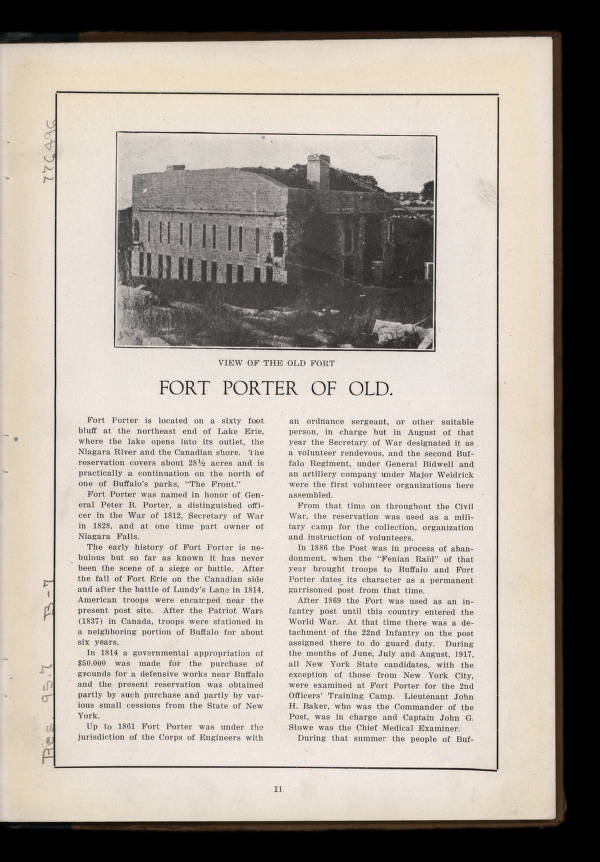
A history of Fort Porter from the Fort Porter Reporter, a newsletter published by the U.S. Army General Hospital No. 4.
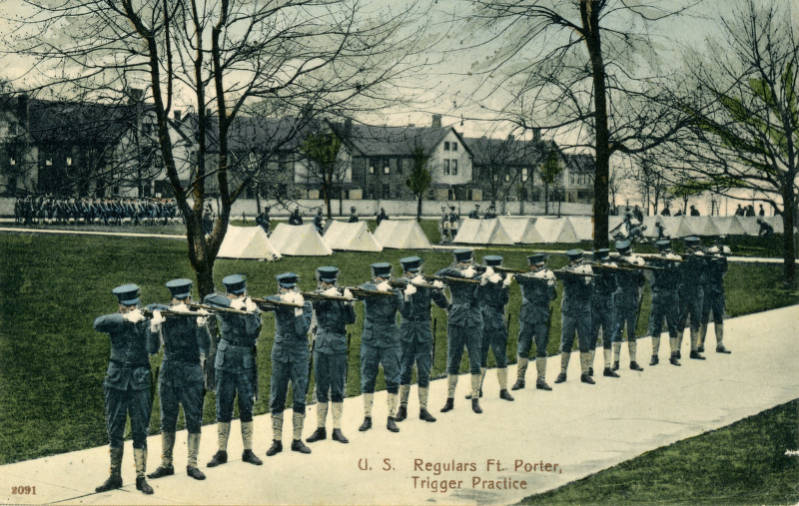
Postcard showing soldiers training at Fort Porter.
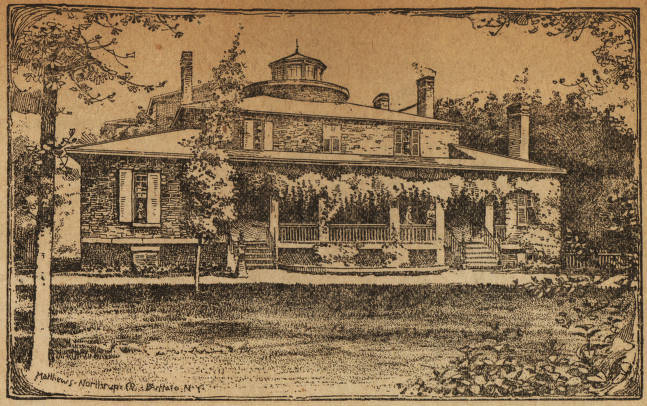
Set on 25 acres of property, "The Cottage" was built in 1809 on Delaware Avenue and served as site of the Buffalo Seminary from the 1850's until 1903. It was razed in 1919.
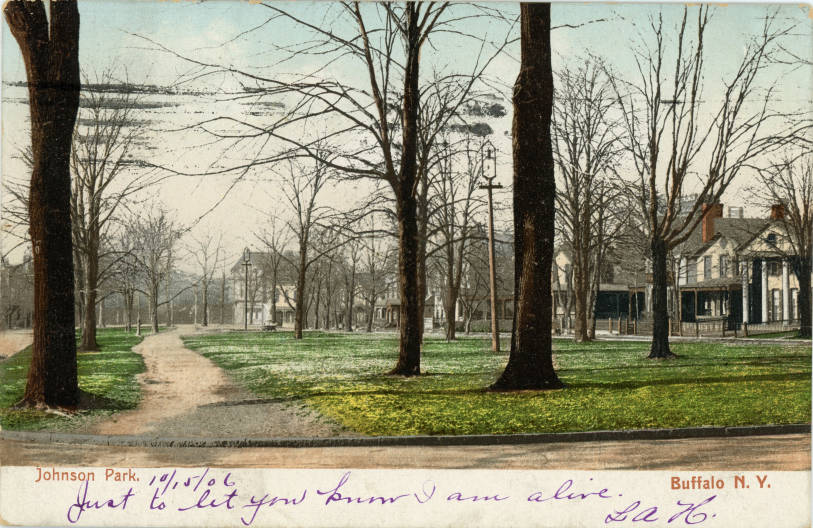
The land surrounding "The Cottage" was partitioned and developed after the death of Buffalo's first mayor, Ebenezer Johnson. Now known as Johnson park, this historic neighborhood is one of the City of Buffalo's oldest residential neighborhoods.
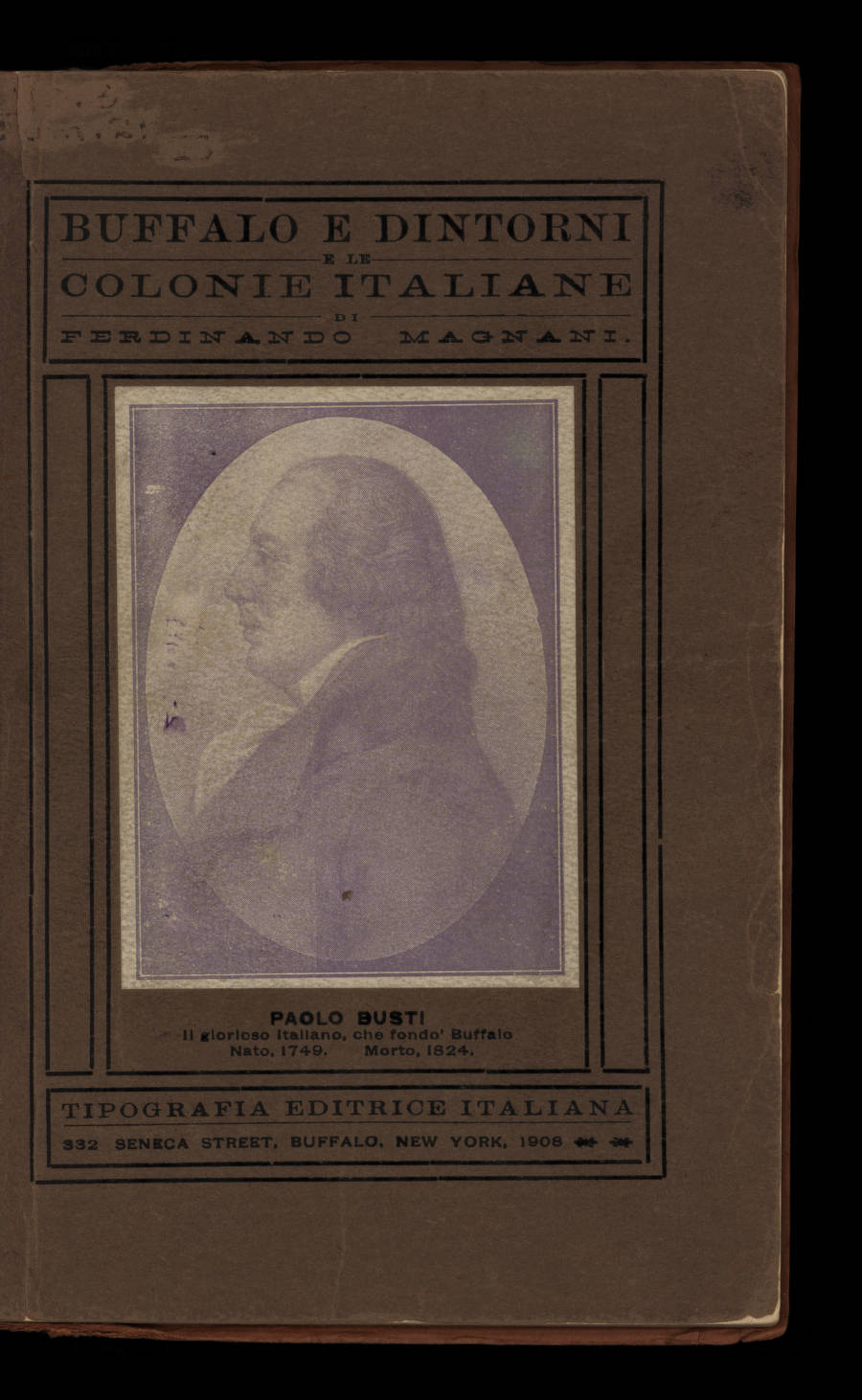
Guide to the city of Buffalo and the Italian Settlement published in 1908.
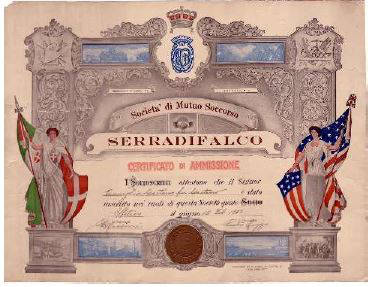
Mutual Aid Societies, often associated with Sicilian towns, provided social and economic stability for new émigrés to the area. Membership could include small cash payments should a member be unable to work.
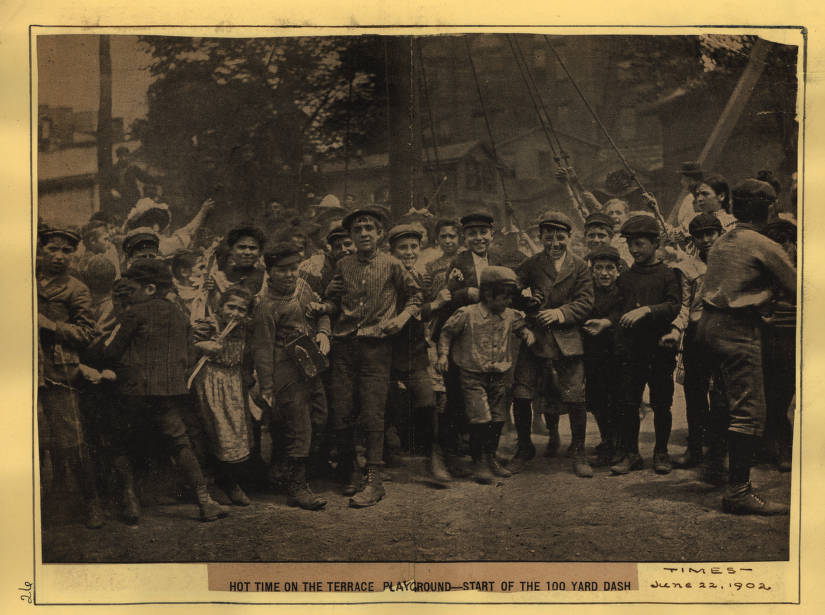
One of the first dedicated playgrounds in the City of Buffalo, the Terrace Park was a major greenspace in the city until the establishment of the Olmsted Park system.
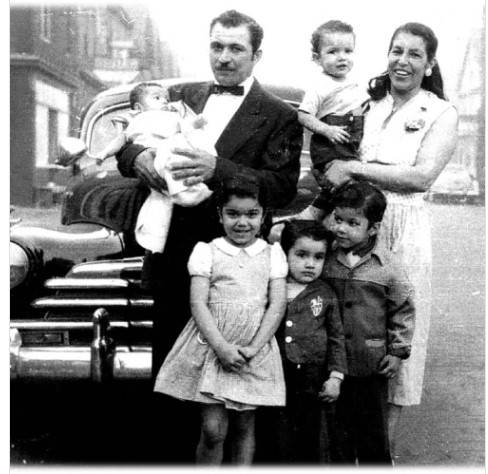
Family of Primitivo Rodriguez poses in front of car